Medical information notice: this page provides general editorial information about food and everyday routines. It does not diagnose, monitor or manage an individual condition, and it must not replace advice from a qualified healthcare professional. Personal glucose concerns, prescribed treatment, medication changes and urgent symptoms should be discussed through the appropriate UK healthcare service.
Diabetes management and everyday food choices
A clear introduction to meal composition, glucose, routine and personalised clinical care.
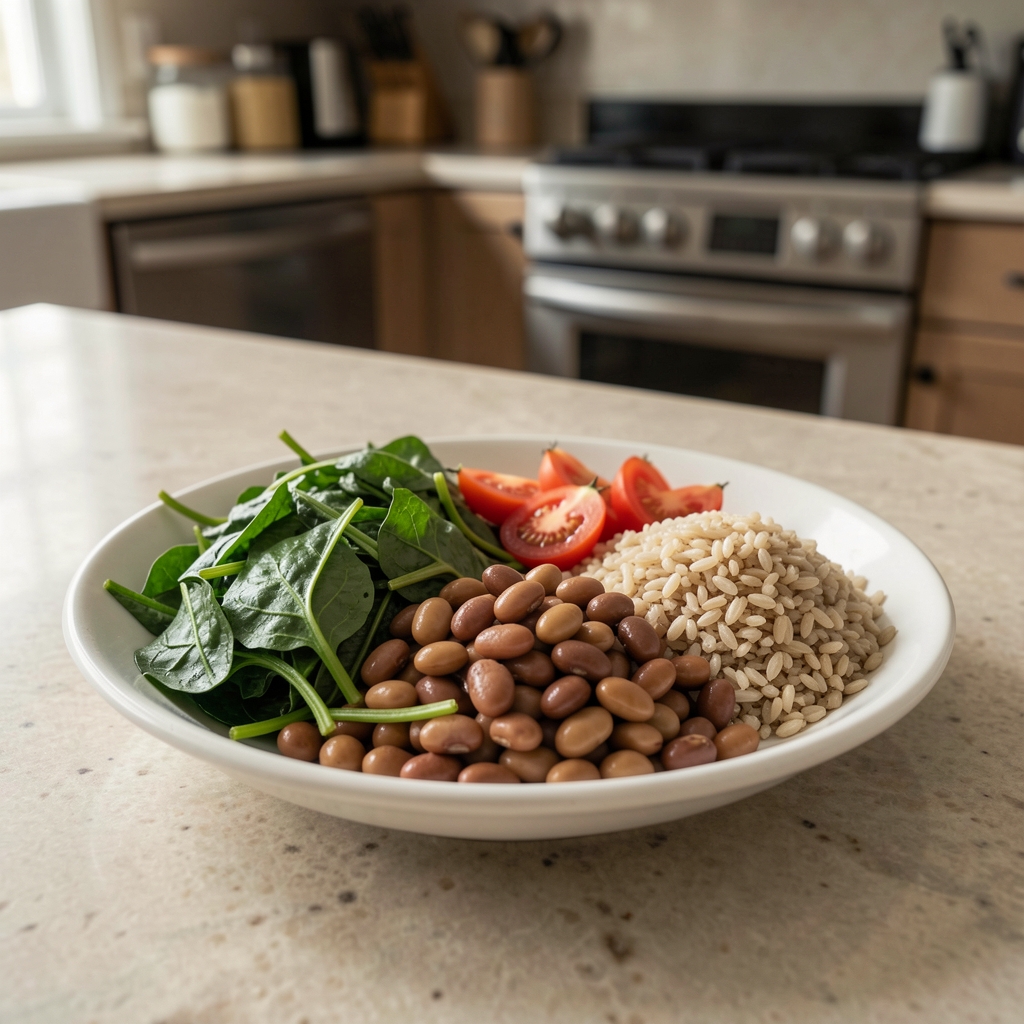
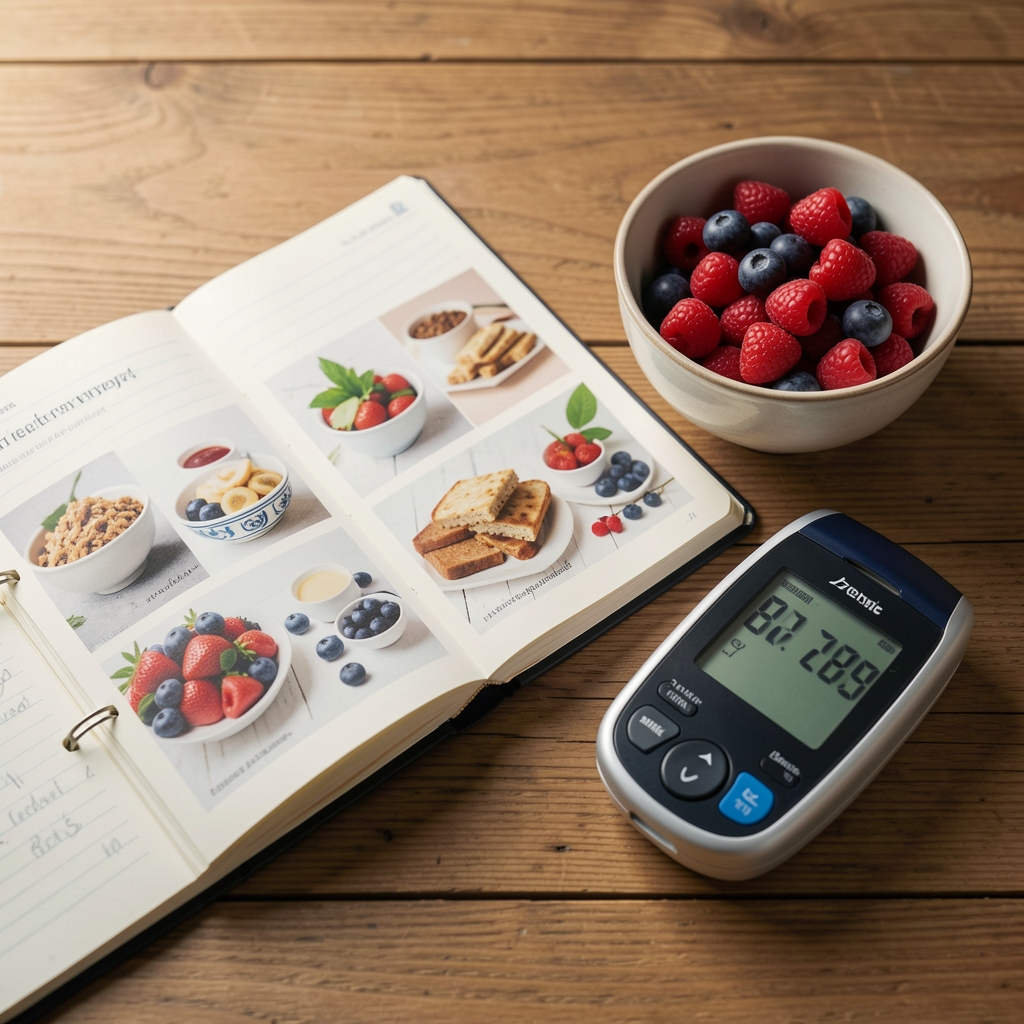
Personal context matters
Diabetes is not managed by a universal menu. Type, medicines, activity, work patterns and other health factors all influence a safe plan. Food changes should be discussed with the healthcare team when medication or glucose levels may be affected.
Fibre-rich foods, regular meal patterns and appropriate portions can be useful areas to explore, while rigid promises and fear-based rules are not helpful.
A practical table
| Area | Question to explore |
|---|---|
| Meals | Does the plate include fibre, protein and a satisfying portion? |
| Timing | Does the routine fit work, medication and activity? |
| Support | What would be useful to review with a diabetes team? |
Safety before experimentation
Do not change prescribed medicines because of an online article. Follow your clinical plan, record relevant patterns and seek help for concerning readings or symptoms.
Four steady steps
- Understand your individual care plan.
- Choose one meal pattern to observe.
- Keep notes without self-criticism.
- Review questions with a qualified professional.